Training Tomorrow’s Leaders Today – Helping Gen Z Build Soft Skills
Generation Z—the first true digital natives—are entering the workforce in greater numbers, bringing with them advanced technical abilities, digital fluency, and a strong sense of purpose. But while these qualities are assets, many employers are noticing a gap: essential soft skills are often missing.
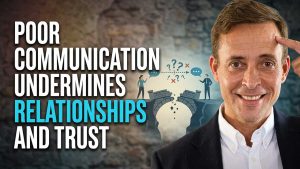
Soft skills such as effective communication, emotional intelligence, adaptability, and conflict resolution remain critical for professional success. And according to Dr. Nathan D. Iverson in Psychology Today, this soft skills gap is rooted in Gen Z’s upbringing. Many members of this generation grew up surrounded by digital devices, communicating more through screens than in person. The COVID-19 pandemic further limited face-to-face social development, leaving many without the chance to build core interpersonal skills through typical school and early job experiences.
“Growth happens outside your comfort zone. Proactively look for opportunities to practice soft skills.”
— Dr. Nathan D. Iverson
Why Soft Skills Are More Important Than Ever
In today’s fast-paced, team-oriented work environments, technical skills alone aren’t enough. Soft skills are what enable people to:
 Collaborate with diverse teams
- Accept and apply feedback constructively
- Resolve conflict diplomatically
- Navigate change and uncertainty
- Show empathy and emotional self-regulation
When these skills are missing, organizations may face communication breakdowns, lower morale, reduced productivity, and higher turnover. Gen Z professionals who lack soft skills may find it harder to advance in their careers or integrate smoothly into workplace cultures.
What Young Professionals Can Do to Grow
The good news is that soft skills can be developed intentionally, just like technical ones. For Gen Z job seekers and early-career professionals, here are a few strategies to build these competencies:
- Take initiative in group settings. Leading small team projects or organizing peer activities is a great way to practice communication, delegation, and problem-solving.
- Seek out mentorship. Having a mentor provides a safe environment for asking questions, receiving feedback, and observing strong interpersonal behaviors.
- Participate in extracurriculars or volunteer work. These spaces often mimic real workplace dynamics and are great training grounds for team collaboration.
- Practice reflection. Developing emotional intelligence requires an awareness of one’s behavior and emotions. Regular self-reflection can increase empathy and reduce reactive tendencies.
Programs like DRWEBERCOACHING EQ® are designed to accelerate this kind of growth. Participants learn how to regulate their emotions, recognize social cues, and respond to others with empathy—skills that form the foundation of high-trust relationships and effective leadership.
How Employers Can Support Gen Z’s Development
Organizations play a vital role in bridging the soft skills gap. While many companies invest in onboarding for technical systems and tools, few emphasize the interpersonal side of work. This needs to change—especially as Gen Z becomes a larger part of the workforce.
Here’s how companies can help:
- Enhance onboarding programs. Introduce workshops focused on team communication, emotional intelligence, and managing feedback early in the employee experience.
- Encourage cross-generational mentoring. Pairing Gen Z employees with seasoned professionals allows both sides to learn and grow.
- Provide regular coaching and feedback. Supportive, structured feedback helps young employees course-correct, build self-awareness, and develop confidence.
“Mentoring is a two-way street. Pairing Gen Z with experienced colleagues helps both sides grow.”
— Dr. Nathan D. Iverson
At DRWEBERCOACHING, we use the SOCIAL STYLE® Model to help professionals understand different communication styles and how to adapt to each. Gen Z employees especially benefit from this, as it reduces misunderstandings and improves collaboration across teams.
Additionally, the Adaptive Mindset® program helps build resilience and agility—two crucial traits in today’s ever-changing business landscape. Gen Z employees often report higher levels of stress and anxiety; learning to manage change and uncertainty can give them the confidence they need to thrive.
Making Soft Skills Part of the Company Culture
Embedding soft skills into the DNA of an organization requires more than one-off trainings. Companies that succeed in this area do three things well:
- Integrate soft skills into performance metrics. When skills like communication, teamwork, and adaptability are part of job expectations and reviews, employees are more likely to take them seriously.
- Create leadership opportunities for young professionals. Even small-scale leadership roles—like running meetings or leading a task force—can accelerate learning and growth.
- Foster a culture of continuous learning. From lunch-and-learns to skill-building workshops, offer ongoing opportunities for employees at every level to grow.
DRWEBERCOACHING supports organizations in designing long-term development strategies that include coaching, training, and culture-building initiatives tailored to both individuals and teams. Our programs are built to help integrate emotional intelligence and adaptability into everyday work life—leading to stronger teams and better outcomes.
The Bottom Line
Gen Z is a highly capable, driven, and innovative generation. With the right support, they can also become some of the most collaborative, emotionally intelligent leaders of the future. But this requires intentional effort—on the part of both the individual and the organization.
By prioritizing soft skills development now, businesses can unlock the full potential of their Gen Z talent, create healthier work environments, and build a workforce ready to lead in a human-centered, fast-changing world.